

Treating the body, balancing the mind
Precision medicine
Science-based care for trauma, anxiety, and and depression.
What you feel is personal. What we treat is universal.
Backed by clinical evidence, our treatments target the following symptoms

Disrupted Sleep &
Nightmares

Hyperarousal

Depression
Anxiety & Panic attacks

Social Withdrawal

Isolation & Avoidance
Irritability

Difficulties Concentrating
Our treatments
Treating the biological and physiological sources of mental health challenges.
SGB advanced
protocol (DSR)
Two 15-minute treatments that can calm, and reset, the fight or flight system to reduce symptoms associated with anxiety and PTSD
Ketamine
A safe, evidence-based IV therapy delivering low-dose ketamine. It can provide rapid relief from depression, anxiety, and suicidality, with lasting benefits when combined with ongoing care.
Psychiatric care
Integration of the latest medical and psychiatric science, drawing on advances in neurobiology, psychopharmacology, and evidence-based therapeutic approaches to ensure comprehensive and scientifically grounded care.
SGB advanced
protocol (DSR)
Two 15-minute treatments that can calm, and reset, the fight or flight system to reduce symptoms associated with anxiety and PTSD
Ketamine
A safe, evidence-based IV therapy delivering low-dose ketamine. It can provide rapid relief from depression, anxiety, and suicidality, with lasting benefits when combined with ongoing care.
Psychiatric care
Integration of the latest medical and psychiatric science, drawing on advances in neurobiology, psychopharmacology, and evidence-based therapeutic approaches to ensure comprehensive and scientifically grounded care.
Take the first step toward feeling better.
Leave your details and we’ll guide you to the treatment that fits you best.
In alliance with Medica Hospital Centers, with our primary location at Raphael Hospital.

In alliance with Medica Hospital Centers, with our primary location at Raphael Hospital.
Proven Care. Measurable Outcomes.
Treatments already completed in Israel
of SGB patients report
significant relief from their
PTSD symptoms
HR
Clinical studies show that 50%–70% of patients receiving ketamine infusion experience significant relief from depressive symptoms within 24 hours of their first treatment
Approved by


Anxiety, depression and PTSD Quiz
Mental Health Quiz
Dr. Jason Cohen

Dr. Stuart Seidman

Anxiety, depression and PTSD Quiz
Mental Health Quiz
Created by experts, Stella’s mental health quiz incorporates sampled items from validated psychiatric measures such as the PCL (PTSD), GAD-7 (anxiety), and PHQ-9 (depression), offering an initial, evidence-based signal regarding your potential suitability for Stella’s treatment modalities.
Patient Testimonials
Some may experience instant relief, while others may see gradual progress or require additional treatments. It is essential to recognize that each patient’s unique journey is valid, and our team is dedicated to providing support throughout the entire treatment process.
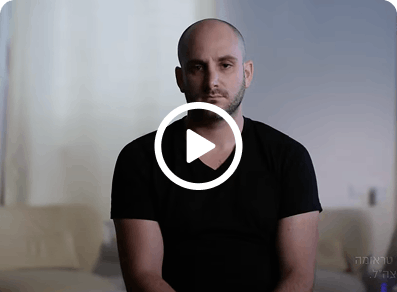
“Stella gave me the ability to look ahead to fuller lives. I truly believe that this can help anyone like me”
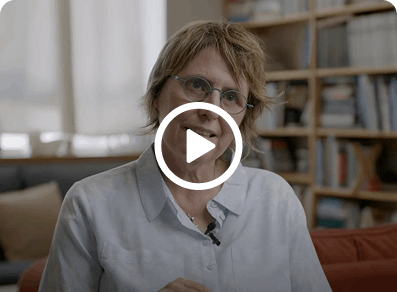
“After surviving a terror attack, Tal shares about the treatment that changed her life.”
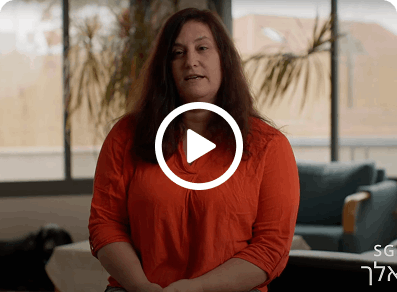
“I didn’t believe I would be able to get any relief from something as simple as a shot”
“Stella gave me the ability to look ahead to fuller lives. I truly believe that this can help anyone like me”
“After surviving a terror attack, Tal shares about the treatment that changed her life.”
“I didn’t believe I would be able to get any relief from something as simple as a shot”
Frequently asked questions about treatment
If you didn’t find an answer to your question, or if you would like to speak to our team confidentially and for free, leave your details at the bottom of the page.
Filter by category
What is Ketamine Infusion treatment and who is it suitable for?
Low-dose Ketamine Infusion (Sub-anesthetic dose) is a medical breakthrough primarily intended for people suffering from clinical depression or treatment-resistant depression (depression that has not responded to at least two types of antidepressant medications). Unlike traditional medications that affect serotonin levels, Ketamine acts on the glutamate system in the brain, allowing for a faster and more significant effect.
Is the treatment suitable for me if I am already taking pills?
How soon can a person expect to see an improvement in mood?
How does Ketamine help treat depression?
Who is considered a suitable candidate for Ketamine Infusion treatment?
What is the difference between ketamine infusion therapy and esketamine (Spravato) treatment?
What are the side effects of SGB treatment?
Is SGB also effective for Social Anxiety or Performance Anxiety?
When social anxiety or performance anxiety are accompanied by acute physical reactions (such as trembling, stuttering, or sweating), SGB can help moderate the physical response. When the body remains calm, the patient’s self-confidence increases, and they succeed in coping with the threatening situations more effectively.
Is it possible to stop taking anti-anxiety pills after SGB treatment?
Is SGB treatment also suitable for anxiety disorders?
More Resources

How Medal of Honor Vet Dakota Meyer Treats His PTSD?
Stella Isael specializes in nerve block treatment, using standards anesthetics injected into the Stellate Ganglion Block. The treatment may reduce sympathetic system activity, thus significantly...

This New Drug-Free Way to Treat PTSD Is Changing Lives
Stella Isael specializes in nerve block treatment, using standards anesthetics injected into the Stellate Ganglion Block. The treatment may reduce sympathetic system activity, thus significantly...

Helping PTSD With A Shot: The New Treatments That Are Changing Lives
Stella Isael specializes in nerve block treatment, using standards anesthetics injected into the Stellate Ganglion Block. The treatment may reduce sympathetic system activity, thus significantly...

Injections Found to Successfully Treat PTSD Symptoms in Veterans
Stella Isael specializes in nerve block treatment, using standards anesthetics injected into the Stellate Ganglion Block. The treatment may reduce sympathetic system activity, thus significantly...

Innovative treatment relieves PTSD symptoms
Stella Isael specializes in nerve block treatment, using standards anesthetics injected into the Stellate Ganglion Block. The treatment may reduce sympathetic system activity, thus significantly...

Could a simple injection rewire PTSD in Israel?
The SGB procedure offered by Stella treats PTSD as a medical issue that isn’t purely psychological, utilizing anesthetic treatment in order to abate post-traumatic stress...

SGB: A possible breakthrough treatment for PTSD
Stella Isael specializes in nerve block treatment, using standards anesthetics injected into the Stellate Ganglion Block. The treatment may reduce sympathetic system activity, thus significantly...
Frequently asked questions about treatment
If you didn’t find an answer to your question, or if you would like to speak to our team confidentially and for free, leave your details at the bottom of the page.
Filter by category
What is Ketamine Infusion treatment and who is it suitable for?
Low-dose Ketamine Infusion (Sub-anesthetic dose) is a medical breakthrough primarily intended for people suffering from clinical depression or treatment-resistant depression (depression that has not responded to at least two types of antidepressant medications). Unlike traditional medications that affect serotonin levels, Ketamine acts on the glutamate system in the brain, allowing for a faster and more significant effect.
Is the treatment suitable for me if I am already taking pills?
How soon can a person expect to see an improvement in mood?
How does Ketamine help treat depression?
Who is considered a suitable candidate for Ketamine Infusion treatment?
What is the difference between ketamine infusion therapy and esketamine (Spravato) treatment?
What are the side effects of SGB treatment?
Is SGB also effective for Social Anxiety or Performance Anxiety?
When social anxiety or performance anxiety are accompanied by acute physical reactions (such as trembling, stuttering, or sweating), SGB can help moderate the physical response. When the body remains calm, the patient’s self-confidence increases, and they succeed in coping with the threatening situations more effectively.