

Personalized Psychiatric Care at Stella Israel
Tailored to symptoms, history, and preferences for safe, functional recovery.
About this treatment
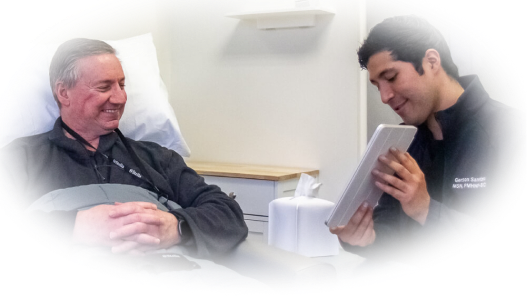
Innovative Approach
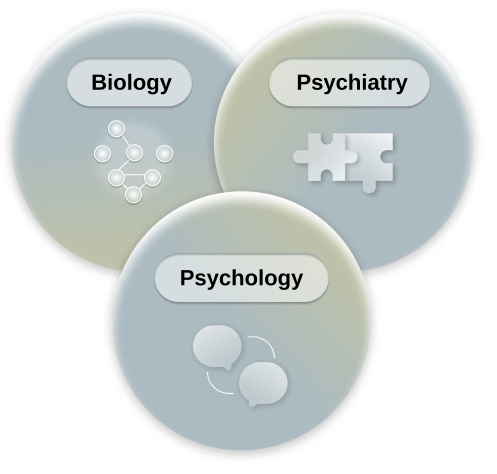
Mental health is both emotional and bio-physico chemical. Guided by the latest research, we integrate both for a complete path to recovery.

Personalized Care
Our psychiatrists combine minimal, precise medication with advanced, research-based therapeutic methods.

Mind–Body Balance
We address depression, PTSD, and anxiety disorders through evidence-based treatments and targeted medication when needed. Our integrated approach promotes symptom relief and long-term emotional balance.
Innovative Approach
Mental health is both emotional and bio-physico chemical. Guided by the latest research, we integrate both for a complete path to recovery.
Personalized Care
Our psychiatrists combine minimal, precise medication with advanced, research-based therapeutic methods.
Mind–Body Balance
We address depression, PTSD, and anxiety disorders through evidence-based treatments and targeted medication when needed. Our integrated approach promotes symptom relief and long-term emotional balance.
What is Stella’s Psychiatric Consultation?
Psychiatric consultation at Stella Israel goes beyond traditional evaluation. It is based on:
- A comprehensive clinical assessment.
- Tailored pharmacological treatment – minimal and carefully adjusted when necessary.
- Integration of the latest medical and psychiatric science, including neurobiology and psychopharmacology.
- Access to innovative interventions – when appropriate, patients can be referred to advanced treatments available at Stella Israel such as Ketamine therapy, Stellate Ganglion Block (SGB), and other emerging protocols. This allows us to design truly personalized care pathways that address each patient’s unique needs.
- Ongoing monitoring using standardized clinical questionnaires and structured follow-up.

GET TO KNOW OUR TEAM
Meet Our Senior Psychiatrist - Dr. Stuart Seidman
Dr. Stuart Seidman, MD, is a board-certified psychiatrist with more than 25 years of clinical experience in the United States and Israel, and an internationally recognized expert in psychopharmacology and neuroendocrinology.
For over 15 years, Dr. Seidman served on the clinical psychiatry faculty at Columbia University and as an Assistant Attending Psychiatrist at NewYork-Presbyterian Hospital. He also co-directed Columbia’s Brain-Behavior Clinic, conducted advanced clinical research, and published in leading medical journals, including JAMA, The American Journal of Psychiatry, and Biological Psychiatry.
Medical Education and Training
Dr. Seidman earned both his undergraduate and medical degrees from Emory University. He completed his residency in internal medicine at the Hospital of the University of Pennsylvania, public health training at the Centers for Disease Control and Prevention, and specialty and subspecialty training in psychiatry and psychopharmacology at Columbia University’s College of Physicians and Surgeons.
Clinical Experience
A board-certified psychiatrist with more than 25 years of experience in the United States and Israel. Dr. Seidman has been treating patients with ketamine since 2012 and is the co-founder and Medical Director of Integrity Care in New York.
Research and Teaching
Dr. Seidman spent more than 15 years as a clinical faculty member and senior researcher at Columbia University. He has led clinical studies, taught and trained healthcare professionals, and published numerous articles in leading peer-reviewed medical journals.
Work in Israel and Internationally
Dr. Seidman is involved in clinical care, research, and teaching at Sheba Medical Center and has held international teaching appointments, including at Tel Aviv University. He is also a partner at Negev Capital, an investment fund focused on innovation in psychedelic medicine.
Frequently asked questions about treatment
If you didn’t find an answer to your question, or if you would like to speak to our team confidentially and for free, leave your details at the bottom of the page.
How soon can a person expect to see an improvement in mood?
Is SGB also effective for Social Anxiety or Performance Anxiety?
When social anxiety or performance anxiety are accompanied by acute physical reactions (such as trembling, stuttering, or sweating), SGB can help moderate the physical response. When the body remains calm, the patient’s self-confidence increases, and they succeed in coping with the threatening situations more effectively.