

IV Ketamine Infusion Therapy
Ketamine infusion therapy is a fast and effective treatment for depression, treatment resistant depression, and emotional distress.
About this treatment
Brief Overview of the Treatment
A safe, evidence-based IV therapy delivering low-dose ketamine. It can provide rapid relief from depression, PTSD, and suicidality, with lasting benefits when combined with ongoing care.

Who is the treatment for?
For individuals coping with depression, treatment resistant depression, post traumatic stress disorder, or suicidal thoughts.
Number of Sessions and Duration
The treatment consists of nine infusions administered over six weeks, with each session lasting about one hour, including a short recovery period. Maintenance treatments may be provided as clinically indicated and subject to approval by the medical team.
Brief Overview of the Treatment
A safe, evidence-based IV therapy delivering low-dose ketamine. It can provide rapid relief from depression, PTSD, and suicidality, with lasting benefits when combined with ongoing care.
Who is the treatment for?
For individuals coping with depression, treatment resistant depression, post traumatic stress disorder, or suicidal thoughts.
Number of Sessions and Duration
The treatment consists of nine infusions administered over six weeks, with each session lasting about one hour, including a short recovery period. Maintenance treatments may be provided as clinically indicated and subject to approval by the medical team.
What is Ketamine Infusion Therapy?
Ketamine infusion therapy is an innovative, cutting edge medical approach designed to provide meaningful relief from depressive symptoms, emotional distress, and suicidal thoughts. Unlike conventional psychiatric medications that act slowly on the serotonin system, ketamine works directly on the brain’s glutamate system and promotes the formation and strengthening of new neural connections, a process that supports emotional regulation and cognitive flexibility. Clinical studies indicate that approximately 70 percent of patients experience significant clinical improvement, sometimes within just a few days, even in cases of treatment resistant depression that have not responded to standard therapies.
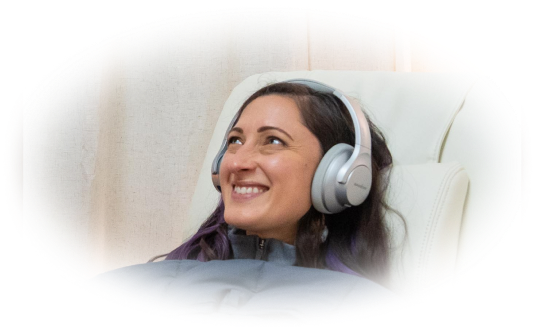
To ensure the most supportive and therapeutic experience possible, treatment is provided in a private, quiet room within a respectful and calming environment, where the patient rests comfortably in a reclining chair. The process involves a slow infusion lasting about one hour under close medical supervision by experienced physicians, followed by a brief recovery period at the clinic. The standard treatment protocol includes a series of nine infusions administered over approximately six weeks. When clinically indicated, and subject to the medical team’s judgment and approval, additional maintenance treatments may be scheduled to help sustain therapeutic benefits over time. In addition, we offer an integrated treatment option known as ketamine assisted psychotherapy (KAP), which combines ketamine infusions with psychotherapy delivered by specially trained clinicians, with the goal of maximizing therapeutic outcomes.
AFTER KETAMINE INFUSION THERAPY, MANY PATIENTS HAVE EXPERIENCED:
- Rapid reduction in depressive symptoms
- Relief from suicidal thoughts
- Decrease in anxiety and panic attacks
- Improved emotional stability and stress resilience
- Better sleep and daytime energy
- Enhanced ability to connect with others and engage socially
- Renewed sense of hope and motivation
Ketamine Infusion Therapy can have dramatic positive effects on a wide range of symptoms and conditions.
How is the procedure done?
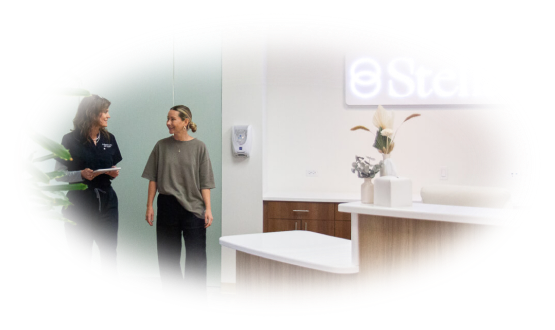
Before starting, patients meet with a clinician to review medical history, set treatment goals, and ensure suitability for ketamine infusion therapy. Vital signs are monitored, and the patient is made comfortable in a calm treatment setting.

The treatment consists of a controlled intravenous infusion of low-dose ketamine, lasting about one hour. During the infusion, patients are continuously monitored by medical staff to ensure safety and comfort. Many describe the experience as deeply relaxing, with some reporting mild dissociation or dreamlike sensations that typically subside shortly after the session.
After the infusion, patients rest briefly in the clinic until they feel ready to leave, usually within 20–30 minutes. Most return to their normal activities the same day, although it is recommended not to drive until the following morning.
Some patients may experience mild side effects such as nausea, dizziness, or changes in perception during or shortly after the infusion. These effects are generally temporary and resolve quickly, usually within the same day.
Payment and Financing
Ketamine infusion therapy is provided at our private clinic in a comfortable, safe, and professional setting, with close medical supervision and continuous care by senior specialists. The treatment protocol includes nine sessions delivered over approximately six weeks, in accordance with advanced clinical standards.
In addition, we offer a dedicated protocol that integrates psychotherapy delivered by expert therapists with specialized training in ketamine assisted integrative treatment. This approach is designed to deepen the therapeutic process and enhance clinical outcomes.
See more
Costs and treatment options:
Cost per individual session: 1,700 ILS, with the option to pay separately for each session.
The full protocol includes nine ketamine infusions over a period of approximately six weeks.
Costs and treatment options:
Cost per individual session: 1,700 ILS, with the option to pay separately for each session.
The full protocol includes nine ketamine infusions over a period of approximately six weeks.
Integrated treatment (KAP, Ketamine Assisted Psychotherapy):
We offer an integrated treatment pathway that combines ketamine infusions with accompanying psychotherapy sessions. These sessions are provided by professionals with specialized training in the field, with the goal of maximizing therapeutic effectiveness and supporting deep, lasting change processes.
PLEASE NOTE
- Currently, there are no reimbursements from health funds (Kupot Cholim) or private insurance for this treatment.
- If needed, you can contact a Stella representative to request a review for specific assistance and be added to a waiting list for additional subsidies beyond the standard rates.

Breakthrough Treatment: Ketamine as Effective as ECT for Treatment-Resistant Depression
A large-scale clinical trial shows that ketamine infusions offer similar efficacy to the common treatment for severe depression, without the cognitive side effects.

Real-World Success: Ketamine Rapidly Reduces Depression and Suicidal Ideation
A five-year longitudinal study demonstrates that low-dose IV ketamine infusions provide significant and fast-acting relief for patients with treatment-resistant depression.
Ketamine has been extensively studied over the past two decades for the treatment of depression, suicidality, and post traumatic stress disorder.
Since the early 2000s, dozens of clinical trials and research publications have demonstrated that ketamine infusion therapy can provide rapid and meaningful relief from symptoms, including in cases of treatment resistant depression. Studies have also highlighted its effectiveness in reducing suicidal thoughts, alleviating post traumatic stress symptoms, and improving overall functioning.
Frequently asked questions about Ketamine Treatment
If you didn’t find an answer to your question, or if you would like to speak to our team confidentially and for free, leave your details at the bottom of the page.
What is Ketamine Infusion treatment and who is it suitable for?
Low-dose Ketamine Infusion (Sub-anesthetic dose) is a medical breakthrough primarily intended for people suffering from clinical depression or treatment-resistant depression (depression that has not responded to at least two types of antidepressant medications). Unlike traditional medications that affect serotonin levels, Ketamine acts on the glutamate system in the brain, allowing for a faster and more significant effect.
Is the treatment suitable for me if I am already taking pills?
How soon can a person expect to see an improvement in mood?
How does Ketamine help treat depression?
Who is considered a suitable candidate for Ketamine Infusion treatment?
What is the difference between ketamine infusion therapy and esketamine (Spravato) treatment?
What is Clinical Depression, and how is it diagnosed?
What is Complex PTSD?
Patient Testimonials
Some may experience instant relief, while others may see gradual progress or require additional treatments. It is essential to recognize that each patient’s unique journey is valid, and our team is dedicated to providing support throughout the entire treatment process.
K. Klein
“I started my treatment at Ketmind exactly one year ago, after years of struggling with suicidal thoughts and depression...
K. Klein
“I started my treatment at Ketmind exactly one year ago, after years of struggling with suicidal thoughts and depression...Ketamine treatments completely changed my life. Slowly, over time, I could feel a real change in both my mind and my body. I am now able to do everyday activities that I was once too ill to manage — such as eating regularly, sleeping, socializing, and even holding a job. It gave me hope and a push forward that no other treatment, medication, or therapist had ever been able to provide.”
J. Nevo
“I am currently approaching my ninth and final treatment in the series. Before starting treatment, I struggled for many years...
J. Nevo
“I am currently approaching my ninth and final treatment in the series. Before starting treatment, I struggled for many years...with anxiety and depression, years in which it was extremely difficult for me to do basic things such as working, managing a household, and staying in touch with friends and family. I also had suicidal thoughts. I postponed many things in my life that I needed to do. Since starting the treatment, I have almost no procrastination, I want to connect with people again, and it is much easier for me to work. I no longer have any suicidal thoughts. During the course of treatment, my cat passed away (around the fourth or fifth session). He had been with me for 13 years and was my best friend. I could clearly feel how the treatment helped me cope with the loss. Of course, I still felt great pain, but it is clear to me that I processed the grief in a much healthier way than I would have before treatment. I can truly say that this is the best thing I have ever done for myself. I highly recommend it.”
K. Bardugo:
“The change has been incredible for me. I feel that the Ketmind Clinic has changed my life.”
K. Bardugo:
“The change has been incredible for me. I feel that the Ketmind Clinic has changed my life.”
M. Sukhotsky:
"The doctors were wonderful, personal, had one-on-one conversations with me, I felt the expertise from the moment I entered the room."
M. Sukhotsky:
"The doctors were wonderful, personal, had one-on-one conversations with me, I felt the expertise from the moment I entered the room."
L. Bennett:
“I have never felt this good in my life. My thoughts became positive, and I was able to see the goals I want to achieve more clearly than ever before.”
L. Bennett:
“I have never felt this good in my life. My thoughts became positive, and I was able to see the goals I want to achieve more clearly than ever before.”
S. Even Tzur:
“After the treatment, I feel like my brain is healing itself, it’s unbelievable. I thought this was something that would never happen.”
S. Even Tzur:
“After the treatment, I feel like my brain is healing itself, it’s unbelievable. I thought this was something that would never happen.”Frequently asked questions about Ketamine Treatment
If you didn’t find an answer to your question, or if you would like to speak to our team confidentially and for free, leave your details at the bottom of the page.
What is Ketamine Infusion treatment and who is it suitable for?
Low-dose Ketamine Infusion (Sub-anesthetic dose) is a medical breakthrough primarily intended for people suffering from clinical depression or treatment-resistant depression (depression that has not responded to at least two types of antidepressant medications). Unlike traditional medications that affect serotonin levels, Ketamine acts on the glutamate system in the brain, allowing for a faster and more significant effect.