
Post-traumatic stress disorder is not just a wound for the person who experienced the difficult event – it is also a silent and painful wound within the home. The spouse, the children, the parents, everyone feels the consequences, even if they don’t always know how to name them. Coping with someone with post-traumatic stress disorder poses unique challenges and can wear down even the strongest.
Whether it’s a warrior returning from battle, a civilian who has experienced an attack or a severe loss, or a person who is evacuated from their home and exposed to terrorism, post-traumatic stress disorder changes the dynamics at home, sometimes without anyone saying a word.
What does it look like on a daily basis?
- An emotionally absent partner: physically present at home but not truly present. Silent, withdrawn, avoids contact, deep conversations, or spending time together.
- Sudden and unexplained anger: disproportionate outbursts, sometimes over seemingly small things – like children making noise, an innocent question, or a change in plans.
- Insomnia, nightmares, and nighttime arousals: This distress not only harms the sufferer’s health and mood, but also disrupts their sleep and causes worry, stress, and sometimes actual fear in family members who sleep next to them.
- Feelings of rejection or confusion in children: They have difficulty understanding the change in the parent (“Why is Dad/Mom always angry?”, “Why doesn’t he/she play with me anymore?”), may feel “transparent” or guilty about the situation, develop anxieties themselves, or try to “please” the parent excessively.
- Marital distance deepens: the emotional connection weakens, physical and emotional intimacy disappears, and communication becomes superficial, tense, or avoided.
- Collapse in marital and family communication: misunderstandings accumulate, emotional discourse becomes difficult or impossible, and there is an almost complete avoidance of ‘charged’ or intimate topics.
- Burden and burnout on the partner: Often, the partner carries an enormous emotional and functional burden, which is accompanied by feelings of loneliness, frustration, anger and guilt, and may lead to physical and mental burnout.
What does it look like on a daily basis?
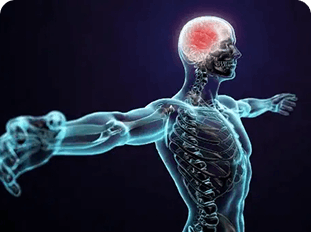
Post-traumatic stress disorder changes the body and mind’s operating system. The person is in a state of constant survival alert (“Fight, Flight or Freeze”). The increased level of physiological arousal causes hypervigilance, excessive reactivity, and difficulty regulating emotions. In such a state, it is very difficult to feel trust, security, love, closeness, or calmness – feelings that are the basis of a healthy relationship. Furthermore, the avoidance of activities or places, the intrusive memories, and the changes in mood (such as irritability or apathy) make it difficult for the person to be fully present and beneficial in their relationships.
The problem? No one taught us how to deal with it, and the feeling is often one of loneliness and helplessness in the face of the situation.
What can be done?
The first and essential step is understanding and recognizing : it’s not “you” (the family) and it’s not entirely “them” (the person with PTSD) – it’s the trauma that speaks and affects , and it requires professional treatment. The sooner treatment is sought, the greater the chance of stopping the deterioration of relationships and beginning a process of healing and recovery – of both the individual and the family system.
In addition to individual treatment for the person dealing with PTSD, restoring marital and family relationships often also requires joint professional intervention, such as couples therapy or family guidance. These therapies help improve communication, understand the needs of all parties, rebuild trust, and develop healthier ways of coping as a family.
At Stella Center Israel, we offer an advanced treatment for people dealing with PTSD – SGB (nerve block) therapy , which balances the sympathetic nervous system and helps create internal physiological “quiet”. This is a safe treatment, based on clinical research, relatively fast, suitable for fighters, security forces personnel, evacuees, and of course anyone suffering from post-traumatic stress for any other reason, and its goal is to significantly alleviate their symptoms, thus allowing them to be more present and functional within the family. It is important to emphasize that SGB therapy is part of a therapeutic package, and it is recommended to combine it with personalized emotional support and accompaniment.
What can couples and families do? Beyond encouraging them to seek treatment, it is important that they receive reliable information about post-traumatic stress disorder, set healthy boundaries where possible, take care of their own well-being, and seek support or counseling for themselves if necessary.
Don’t wait until the relationship breaks down.
Post-traumatic stress disorder does not have to tear families apart. With understanding, support, and the right treatment – both for the person dealing with it and for the family system – it is possible to return to a fuller and more fulfilling life, in relationships and as parents.